What Is a Roof Drip Edge? Why It Matters for Reno Homes
November 16, 2026
Some of the most important parts of a roof are also the easiest to overlook. A drip edge is a narrow strip of metal installed along the edges of the roof, and most homeowners never give it a second thought. Yet this simple component controls where water goes as it leaves the roof, protecting the decking, fascia, and siding from moisture damage. For homeowners in Reno, NV and Sparks, NV, where snowmelt and wind-driven rain put roof edges to the test, a properly installed roof drip edge is a small detail that makes a real difference.
What Is a Drip Edge on a Roof?
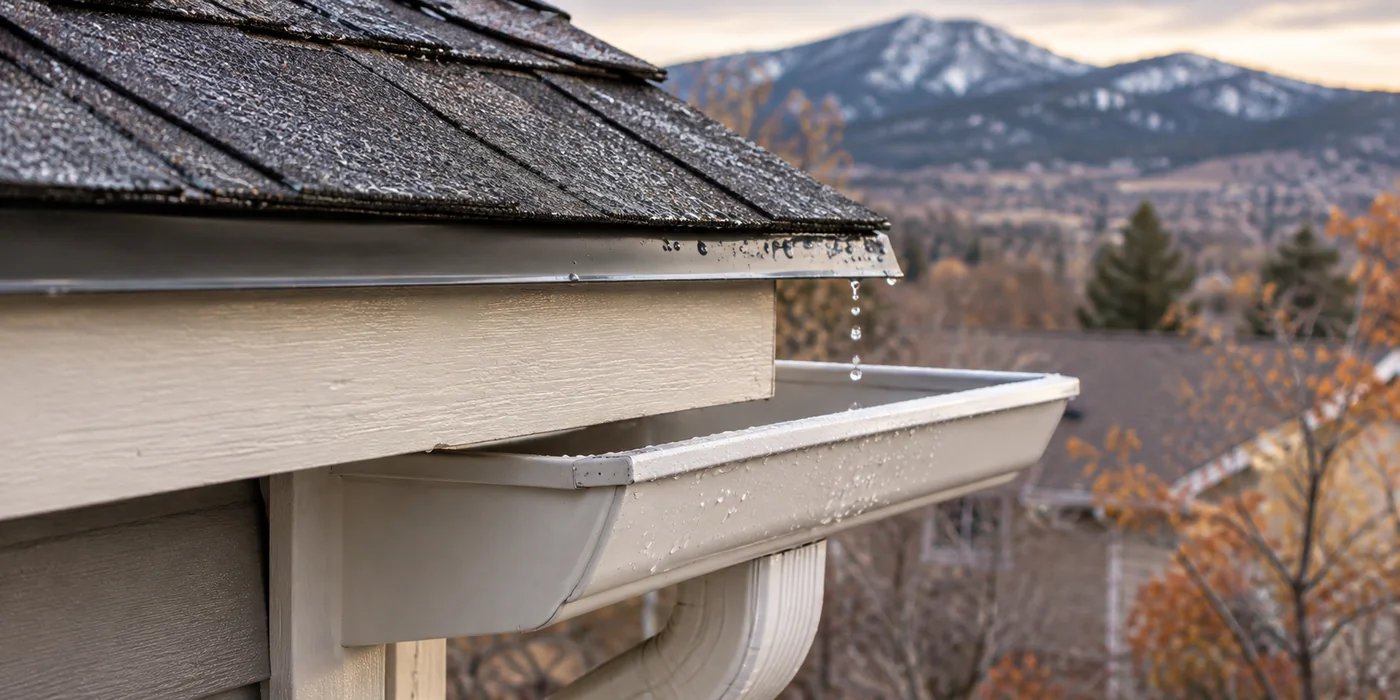
A drip edge is a piece of bent metal flashing installed along the eaves and rake edges of a roof. The eaves are the lower horizontal edges where gutters are usually attached, and the rakes are the sloped edges on the gable ends of the house. The drip edge covers the outer edge of the roof decking and extends slightly past the fascia, creating a clean, protected line around the perimeter of the roof. Drip edge is most often made from aluminum or galvanized steel and is usually finished in a color that matches or complements the trim.
What Does a Roof Drip Edge Do?
The main job of a drip edge is to direct water away from the fascia and into the gutters. Without it, water running off the roof can cling to the edge of the shingles and curl back underneath them. That water can soak the edge of the decking and the top of the fascia board, which leads to rot over time. A drip edge gives water a clean path off the roof so it falls into the gutter instead of wicking back toward the house.
Drip edge also protects the roof in other ways. It covers the exposed edges of the decking so wind-driven rain and snow cannot reach the wood, it supports the edge of the shingles so they do not sag or curl over the fascia, and it closes gaps that insects and small animals might otherwise use to get into the roof or attic. Along the eaves it works together with the gutter system, and our guide to gutter maintenance in Reno explains why keeping that water moving matters so much.
Types of Drip Edge
There are a few common drip edge profiles, and the right one depends on the roof design and the roofer's installation approach. Each has a slightly different shape, but all are designed to move water off the roof and away from the fascia.
- L-style drip edge, a simple angled profile often used on rake edges
- D-style or T-style drip edge, which has an extended lip that holds water farther from the fascia
- Gutter apron, a longer profile designed to direct water into the gutter along the eaves
Material matters as well. Aluminum resists corrosion and is easy to form, while galvanized steel is stiffer and holds its shape well. A local roofing contractor will choose a profile and material that fit the roofing system, the gutters, and the trim on your home.
Signs Your Roof Drip Edge Is Missing or Damaged
Many older homes in the Reno area were roofed without a drip edge, and others have drip edge that has been bent, loosened, or installed incorrectly. Water stains or rot along the top of the fascia, peeling paint on trim boards, gaps between the gutter and the roof edge, and shingles that hang over the edge with nothing beneath them all suggest the roof edge is not well protected. You may also notice water running behind the gutters instead of into them during a rainstorm or snowmelt.
Damage along the roof edge often shows up in nearby components first. Our article on soffit and fascia describes the signs of rot and moisture damage along the roofline, and many of those problems trace back to a missing or failing drip edge. Catching these issues early can prevent the damage from spreading into the roof decking.
Drip Edge, Ice and Water Shield, and Underlayment
Drip edge is one part of a layered system at the edge of the roof. Along the eaves, the drip edge is typically installed first and the underlayment or ice and water shield is applied over it, so water running down the membrane flows onto the metal and into the gutter. Along the rakes, the order is usually reversed, with the drip edge placed over the underlayment to keep wind-driven rain from getting underneath. Getting these overlaps right is important in Northern Nevada, where melting snow and ice test the roof edge every winter. Our guide to ice and water shield explains how the waterproof membrane at the eaves works with the drip edge, and our article on ice dams on your roof covers why that protection matters.
Is a Drip Edge Installed During Roof Replacement?
In most cases, yes. Current building codes generally require drip edge along the eaves and rakes of asphalt shingle roofs, and many shingle manufacturers expect it as part of a proper installation. Because the drip edge is tucked under the roofing materials, a roof replacement is the best time to add one if your home does not have it, or to replace drip edge that is bent, rusted, or poorly fitted. When you review a roofing estimate, it is worth confirming that new drip edge is included and asking which profile the contractor plans to use.
Replacing the drip edge along with the roof also gives the crew a chance to inspect the fascia and the edge of the decking for damage. Any soft or rotted wood can be repaired before the new roof goes on. If you are comparing options, our overview of roof replacement cost in Reno can help you understand what goes into a complete project.
Protecting the Edges of Your Reno Roof
A drip edge is an inexpensive part of a roofing system, but it plays a big role in protecting the edges of your home from water damage. Keeping water flowing into the gutters and away from the fascia and decking helps your roof and trim last longer through every Northern Nevada season. Scott Roofing has served homeowners in Reno, Sparks, and Washoe County since 1948, and our crews pay close attention to the details at the roof edge. If you have noticed stained fascia, overflowing gutters, or a roof edge that does not look right, you can contact Scott Roofing to schedule an inspection.
For all your roofing needs in Reno, Scott Roofing provides professional roofing services to residential and commercial property. To request a quote or schedule a professional roof inspection, contact Scott Roofing today or call 775-331-5090.